How the Gemini 3 Pro Image Generator is Changing AI Art Creation
For the past few years I have watched the text-to-image space evolve from novelty toys into serious creative tools. Every new release promises better resolution, more coherent anatomy, and fewer weird artifacts. But when I first tested the Gemini 3 Pro Image generator inside Nano Banana Pro, I noticed something different, not just sharper pixels but a genuine awareness of how objects behave in physical space. That shift matters for anyone who has ever tried to make a horse gallop without floating or a glass of water spill without defying gravity.
The difference starts with the underlying architecture. Most AI image generators rely on a neural network trained on millions of captioned images. They learn statistical correlations: this word goes with that shape. But physics-aware AI adds another layer. It understands that a chair supports weight, that fabric folds under tension, and that light bounces off surfaces at predictable angles. This is not a gimmick. It directly affects the quality of 4K image generation because small physical errors become glaring at high resolution.
I spent a week working with the Gemini 3 Pro Image generator on a series of product shots for a client who makes ceramic cookware. The brief required images of pots and pans on a stovetop with steam rising naturally. In Midjourney and DALL-E I could get the steam, but it often looked like a soft overlay rather than hot vapor interacting with a cool lid. The physics-aware model in Nano Banana Pro handled it differently. It placed steam where condensation would actually form, and the droplets on the lid matched the angle of the rising heat. That level of precision text control meant I could describe "gentle steam curling left from the spout" and get exactly that, not a random cloud.
Why Physics Awareness Matters for Real Work
The term "physics-aware AI" sounds academic until you try to generate an image of a bookshelf with books leaning against each other. Standard generative AI models often place books at impossible angles or floating slightly above the shelf. The neural network simply does not care about weight or friction. But Nano Banana Pro, built on Google Gemini 3 Pro technology, includes a lightweight physics simulation that runs during the generation process. It checks whether the objects in the scene would actually hold still under gravity. If they would not, the model adjusts the composition.
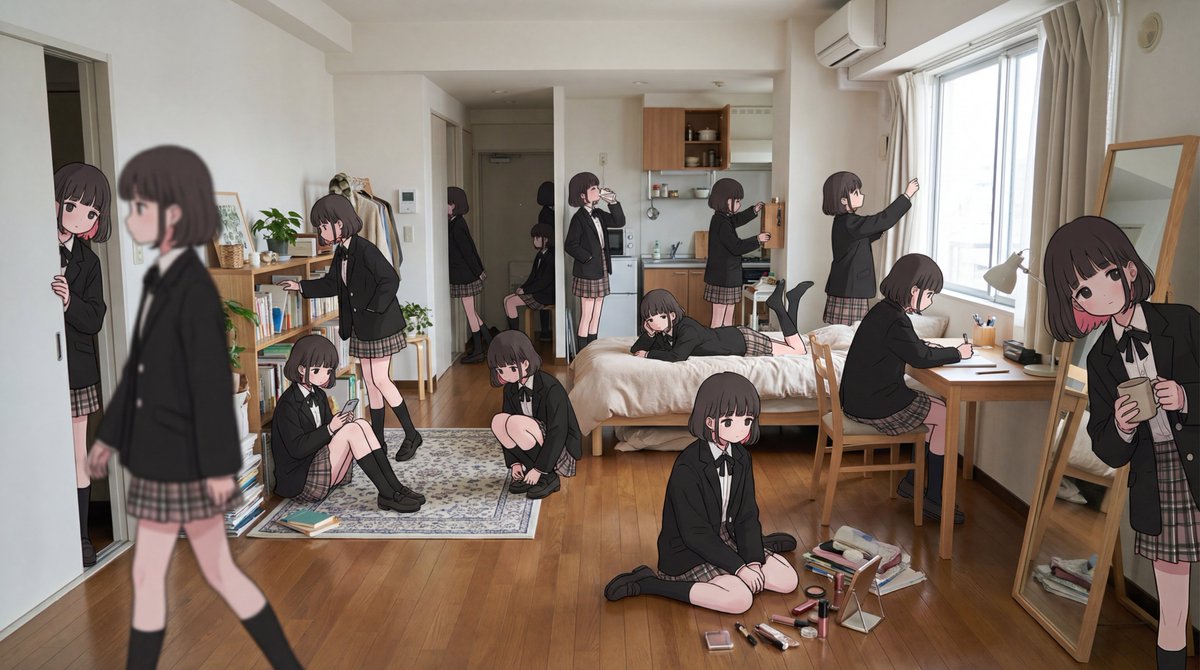
This is particularly valuable for e-commerce and advertising. A client who sells furniture needs images where pillows look stuffed and tables look level. With stable diffusion models you can fix these details later in Adobe Photoshop, but that adds hours of retouching per image. Getting the physics right at generation time saves that work. The Gemini 3 Pro Image generator reduces the gap between AI art and professional product photography.
Multilingual Support and Global Teams
Another feature that surprised me is the multilingual support. I work with a small design team in Europe and a client base in Japan. Previously, we had to write prompts in English and hope the translation held. With Nano Banana Pro, I can type prompts in German, French, or Japanese, and the model understands the spatial and material descriptions just as well. The underlying Google Gemini 3 Pro model was trained on diverse language data, so the image resolution and composition quality do not drop when you switch languages. This is a real advantage for international agencies that cannot afford to have a native English speaker write every prompt.
During a test I wrote a prompt in Japanese describing a traditional tea ceremony setup with a specific type of ceramic bowl. The model generated an image that matched the reference photos I had, including the correct glaze texture and the slight asymmetry of handmade pottery. I did not need to iterate through twenty variations. The precision text control handled the cultural and material nuances.
Comparing the Workflow to Other Tools
I have used most of the major AI image generators over the past two years: Midjourney for artistic exploration, DALL-E for quick concepts, Canva for simple social media graphics, and stable diffusion for custom model training. Each has strengths. But the Gemini 3 Pro Image generator in Nano Banana Pro fills a specific niche that none of them cover well.
- Midjourney produces beautiful stylized images but struggles with precise text rendering and physical accuracy. The physics-aware AI here solves that.
- DALL-E from OpenAI is good at following complex prompts but its resolution tops out lower than 4K. The 4K image generation in Nano Banana Pro is native.
- Canva is fast and easy but relies on templates and pre-made assets. This tool builds images from scratch with real spatial logic.
- Stable diffusion offers flexibility but requires significant GPU acceleration and manual tuning to get physics right. Nano Banana Pro handles it automatically.
The GPU acceleration in Nano Banana Pro is worth mentioning. Generating a 4K image with physics simulation takes about the same time as a standard generation in other tools, thanks to optimizations in TensorFlow. I run it on a modest RTX 3060 and get images in under ten seconds. That speed makes it viable for iterative design work where you need to test multiple compositions quickly.
Practical Trade-Offs and Limits
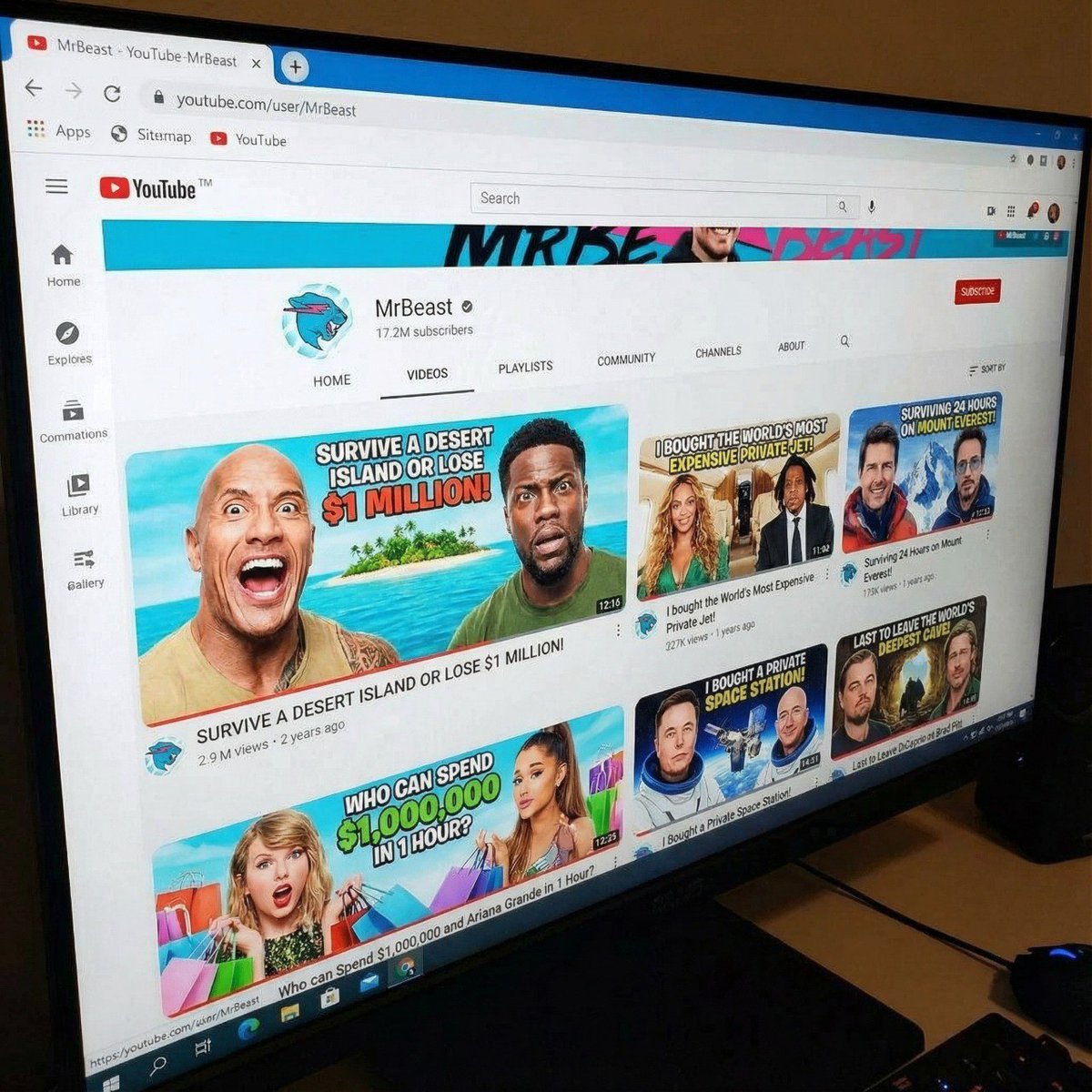
No tool is perfect. The Gemini 3 Pro Image generator excels at realistic and product-oriented scenes but it is less suited for surreal or highly abstract AI art. If your goal is to generate dreamlike landscapes that defy reality, the physics engine can actually work against you. You have to intentionally disable some constraints or accept that the model will try to make the impossible look plausible.
Also, the precision text control is powerful but demands clarity. If you write vague prompts like "nice scene with objects," the model falls back on generic compositions. You need to describe materials, lighting, spatial relationships, and physical interactions. That is a skill that takes practice, similar to learning how to brief a human photographer. Once you develop that skill, the results are remarkably consistent.
I have also noticed that the model handles human figures better than most competitors. Hands and faces are often the telltale weakness of generative AI. Because the physics simulation includes joint angles and weight distribution, the Gemini 3 Pro Image generator produces hands that look anatomically connected rather than melted or extra-fingered. This alone saves enormous time in post-production.
Where the Technology Is Heading
Google Gemini 3 Pro represents a broader trend in generative AI toward multimodal understanding. The same neural network that processes your text prompt also understands depth, material properties, and lighting physics. This is not just a better image generator. It is a different kind of creative assistant, one that does not need you to correct basic physical mistakes.
For professionals working in product design, architecture visualization, advertising, and content creation, the shift from "generate and fix" to "generate correctly the first time" changes the economics of image production. I no longer budget two hours of Photoshop cleanup for every hour of generation. The images are production-ready out of the model, or close enough that minor tweaks take minutes.
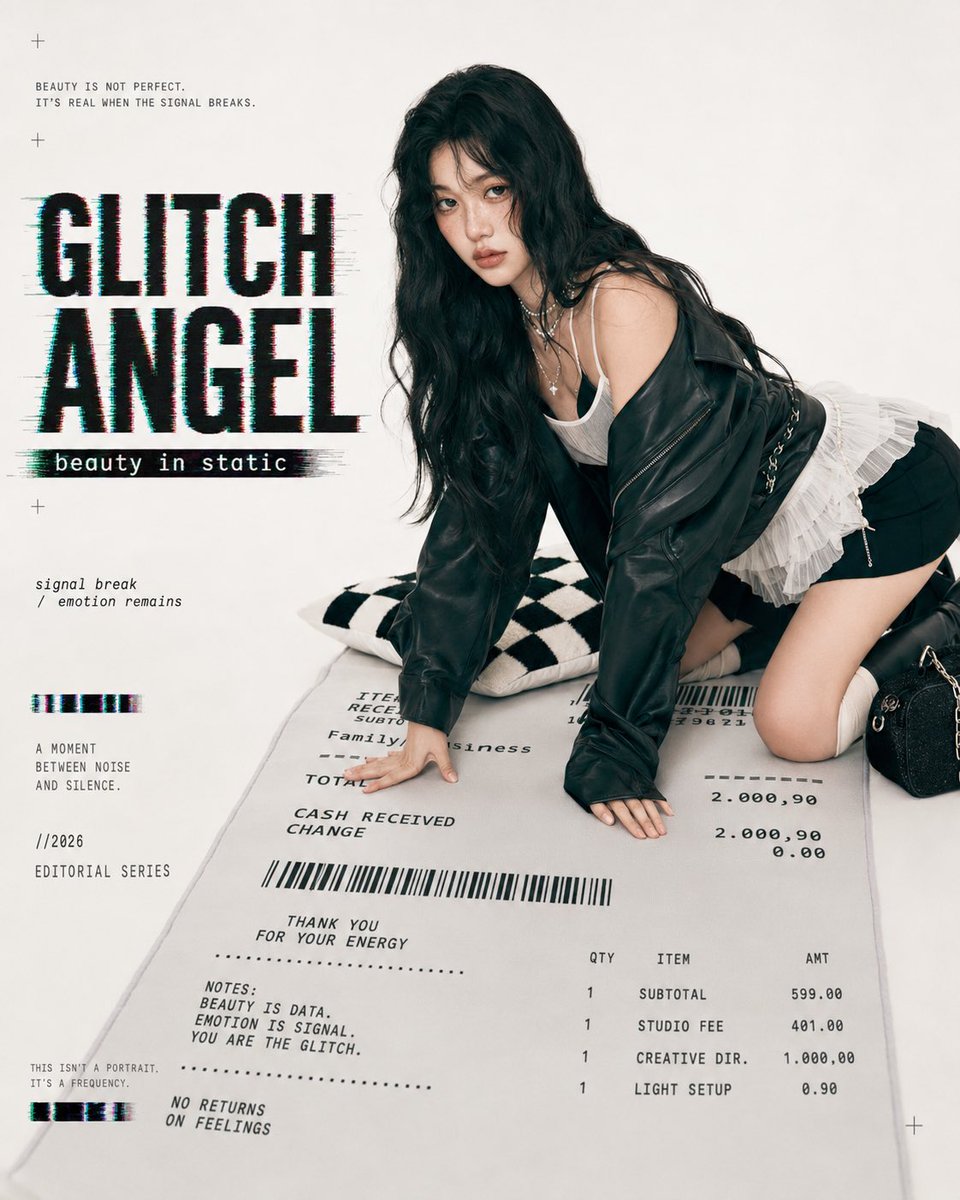
Nano Banana Pro has positioned itself well by focusing on this physics-aware approach instead of trying to beat every other AI image generator on style variety. It serves a specific audience: people who need professional 4K images with accurate spatial relationships and precise text rendering. For that audience, the Gemini 3 Pro Image generator is currently the best option I have tested.
If you are evaluating tools for your own workflow, I recommend testing it on a real project rather than just running demo prompts. The difference shows in the details: how shadows fall, how fabric drapes, how liquids pour. Those details are what separate amateur-looking AI art from work that a client will pay for.